This is the Kenya safari planning guide Portuguese speakers can rely on for 2026. Planning a safari from Brazil or Portugal raises questions most English-language guides skip. Visa rules differ. Vaccine rules differ. Budget expectations differ. This guide covers those specifics, plus real 2026 costs and honest trade-offs.
You will learn what things cost, where to go, and how to avoid the mistakes first-timers make. Read this before you book anything.
Why Kenya Works for a First Safari
Kenya delivers the classic African safari in a compact package. You fly into Nairobi and reach world-class wildlife areas in under an hour by small plane, or three to six hours by road.
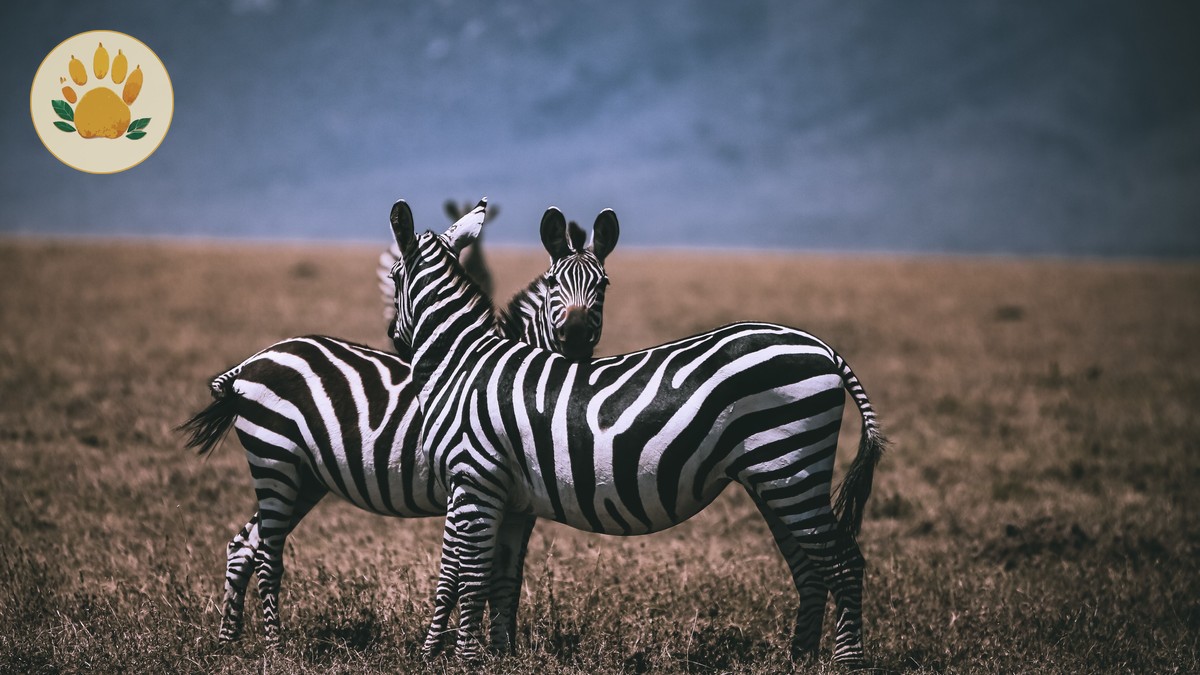
The Masai Mara alone justifies the trip. This reserve covers about 1,510 square kilometers and forms the northern extension of the Serengeti ecosystem. During the Great Migration, roughly 1.5 million wildebeest and 250,000 zebra cross the Mara River. River crossings happen mainly between July and October, but the herds stay in the Mara from July through November.
Beyond the Mara, Kenya offers variety. Amboseli gives you elephants with Mount Kilimanjaro as a backdrop. Samburu holds rare northern species like the gerenuk and Grevy’s zebra. Lake Nakuru hosts rhinos and flamingos, all without long transfers.
Best Time to Visit Kenya
Kenya has two rainy seasons, but the game viewing calendar is clearer than the weather forecast.
The dry season, July to October, is peak migration time in the Masai Mara. Wildlife concentrates around water sources, and short grass makes animals easier to spot. Days are sunny, but mornings and nights get cold, so pack layers. This period carries the highest park fees and lodge prices.
The green season, November to June, brings lush landscapes and peak birdlife. Calving season in the Mara runs January to March, which attracts predators. Long rains hit in April and May, and some camps close then. For lower prices and fewer crowds, visit in June, November, or early December. The migration may be in the Serengeti, but resident game stays plentiful. Short afternoon showers are common in November, though mornings usually stay clear. The herds often pass back through the Mara on their way south.
The Mara River crossings are not guaranteed. Herds follow rainfall, so timing shifts every year. For the best chance of seeing a crossing, book mid-August through September. For big herds without the highest prices, try early July or mid-November.
Top Parks and Reserves to Know
Kenya has two types of protected areas. National parks are run by the Kenya Wildlife Service. National reserves, like the Masai Mara, are run by county governments. Conservancies are private lands leased from Maasai communities for conservation.
Here is a practical comparison of the main destinations:
| Destination | Best For | Drive from Nairobi | Entry Fee (per adult/day) | How Many Days |
|---|---|---|---|---|
| Masai Mara National Reserve | Migration, big cats, all year game | 5-6 hours | USD 100 (Jan-Jun) / USD 200 (Jul-Dec) | 2-4 days |
| Amboseli National Park | Large elephant herds, Kilimanjaro views | 3-4 hours | USD 90 | 2 days |
| Lake Nakuru National Park | Rhinos, flamingos, birdlife | 2-3 hours | USD 90 | 1-2 days |
| Samburu National Reserve | Rare northern species, arid scenery | 4-5 hours | USD 60-70 (indicative, non-resident daily rate) | 2-3 days |
| Nairobi National Park | Quick day trip, lions near the city | 20 minutes | USD 80 | Half day |
| Naboisho Conservancy | Exclusive vehicle-free zones, night drives | 5-6 hours (via Mara) | USD 80-150 (bundled into lodge rates) | 2-3 days |
The Mara reserve fee doubles in peak season. Many travelers now book conservancies like Naboisho or Mara North instead. Your lodge fee includes park access, which cuts out the daily entrance fee. Conservancies also limit vehicle numbers, so you watch animals without a crowd of minivans.
Sample Itineraries by Trip Length
5 to 6 Days (The Short Introduction). Spend 2 nights at Lake Naivasha for a walking safari and Crescent Island, then fly to the Masai Mara for 3 nights. That gives you 4 to 6 full game drives.
7 to 8 Days (The Balanced Safari). Add 2 nights in Amboseli before the Mara. You get the elephants of Amboseli and the cats of the Mara, and flying between them saves travel time.
10 to 12 Days (The Comprehensive Trip). Start with a half day at Nairobi National Park. Add 2 nights at Lake Nakuru, 3 nights at Amboseli, and 4 nights in the Mara, ideally at a conservancy. Finish with a day at the coast in Diani or Watamu.
Kenya Visa and eTA Requirements for Portuguese Speakers
Kenya does not require Brazilian or Portuguese travelers to get a traditional stamped visa. You do not need to visit an embassy, but you must apply online for an Electronic Travel Authorization, or eTA, before you fly.
The eTA costs a flat fee of about USD 30 per person for both Brazilian and Portuguese passport holders, paid online with a credit card. The application asks for your passport, a passport photo, and your travel itinerary. Approval takes 3 to 7 business days, so apply at least two weeks before departure.
The eTA is not a visa, but it is mandatory. You cannot board a flight to Kenya without an approved one. The Kenya eTA website is the only official platform, so use it directly and avoid third-party scams.
Your passport must be valid for at least six months after your arrival date. The eTA covers tourism, business, and transit. Print a copy of the approval to show at check-in and immigration.
Vaccines and Health Precautions
Yellow fever vaccination is your main checklist item. If you arrive from Brazil, Kenya requires a yellow fever certificate, since Brazil carries transmission risk. Bring your International Certificate of Vaccination, the yellow card, with your passport.
If you arrive from Portugal, the vaccine is not required for direct entry, but transit through the UK or some African airports may require it. The wise choice is to get vaccinated and carry the card anyway, since it is valid for life. Consult a travel medicine clinic 6 to 8 weeks before your trip.
Malaria prophylaxis is strongly recommended. Kenya has malaria risk across most of the country, including Nairobi and the safari parks under 2,500 meters. The highlands around Nyeri and Aberdare carry lower risk, but the Mara and Amboseli do not.
Common medication choices include atovaquone-proguanil (Malarone), doxycycline, or mefloquine. Carry enough for the full trip plus a few extra days, and start the course exactly as prescribed. Also bring insect repellent with at least 30% DEET.
Other recommended vaccines include hepatitis A, typhoid, and tetanus-diphtheria. COVID-19 vaccination is not required for entry as of July 2026. Pack a basic first-aid kit with oral rehydration salts, diarrhea medicine, and mild painkillers.
Kenya Safari Costs and Budget Breakdown
Prices in 2026 have shifted upward after new park fees. Here is a realistic rundown for one adult, excluding international flights.
Entry Fees (per day). The Masai Mara costs USD 200 per person per day from July to December, the biggest line item. Amboseli and Lake Nakuru each cost USD 90 per day. These fees cover conservation and ranger wages. You pay at the gate, though your driver-guide will handle it if you book through a company.
Accommodation (per person per night, full board). Budget: USD 150 to 250, simple lodges or camps outside park gates. Mid-range: USD 250 to 450, comfortable lodges with private bathrooms, often inside parks or conservancies. Luxury: USD 500 to 1,200, tented camps with butler service, sundowners, and private guides.
Transport. A private safari vehicle with a driver-guide costs USD 150 to 250 per day for the vehicle, split between two to four people. Domestic flights between parks cost USD 150 to 250 per leg.
Park Fees Example. A 6-day itinerary might include 3 days in the Mara at USD 200 per day, 2 days in Amboseli at USD 90 per day, and 1 day at Lake Nakuru at USD 90 per day. That adds up to USD 870 in park fees per person during peak season (600 plus 180 plus 90). That is non-negotiable and expected.
Total typical budget per person. Budget: USD 2,000 to 3,000 for 7 days. Mid-range: USD 3,500 to 5,000. Luxury: USD 6,500 and up.
You can trim costs by traveling in June or November, staying outside the park gates, or joining a group safari. You cannot trim the new park fees.
Lodge vs Tented Camp
A lodge is a permanent building with stone or wood walls, a solid roof, and often a pool. A tented camp uses heavy canvas walls and a canvas roof, but the interior is usually just as comfortable as a lodge. Tented camps sit closer to the wildlife experience.
For a first trip, a fixed tented camp is a strong choice. You hear the lions at night and still sleep on a proper bed. Many British and Kenyan operators run classic tented camps in the Mara conservancies.
Choose a lodge for total comfort and children. Choose a tented camp for the immersive bush experience.
Guided vs Self-Drive Safari
Self-driving a safari in Kenya is possible. Rental companies in Nairobi offer 4×4 vehicles for USD 100 to 180 per day. You handle fuel, park fees, and navigation. Roads to Amboseli and Lake Nakuru are fine, but roads into the Mara are rough and often slippery after rain.
Only experienced off-road drivers should attempt the Mara alone. A breakdown in the bush without a radio is a serious safety issue, so most first-timers do better with a guide.
A guided safari costs more, but it adds real value. Guides know the animal behavior, the roads, and the radio networks, and they carry spare tires and water. For a first trip, a hired vehicle with a professional driver-guide is the honest recommendation.
Getting to Kenya and Getting Around
Fly into Jomo Kenyatta International Airport in Nairobi. Qatar Airways, Emirates, and Ethiopian Airlines connect from Brazil via Doha, Dubai, or Addis Ababa. From Portugal, TAP flies from Lisbon to Nairobi with a connection, typically through Zurich, Amsterdam, Doha, or Addis Ababa. You can also connect through London with British Airways or Kenya Airways partners.
From Nairobi, choose road or a domestic flight. Road travel to the Mara takes 5 to 6 hours, with a stop for lunch and photos. Domestic flights from Wilson Airport take 45 minutes to the Mara airstrips and cost USD 150 to 250 per leg. Fly for a short trip, or mix a road day with a flight to save money on a longer one.
Safari Etiquette, Tipping, and Safety
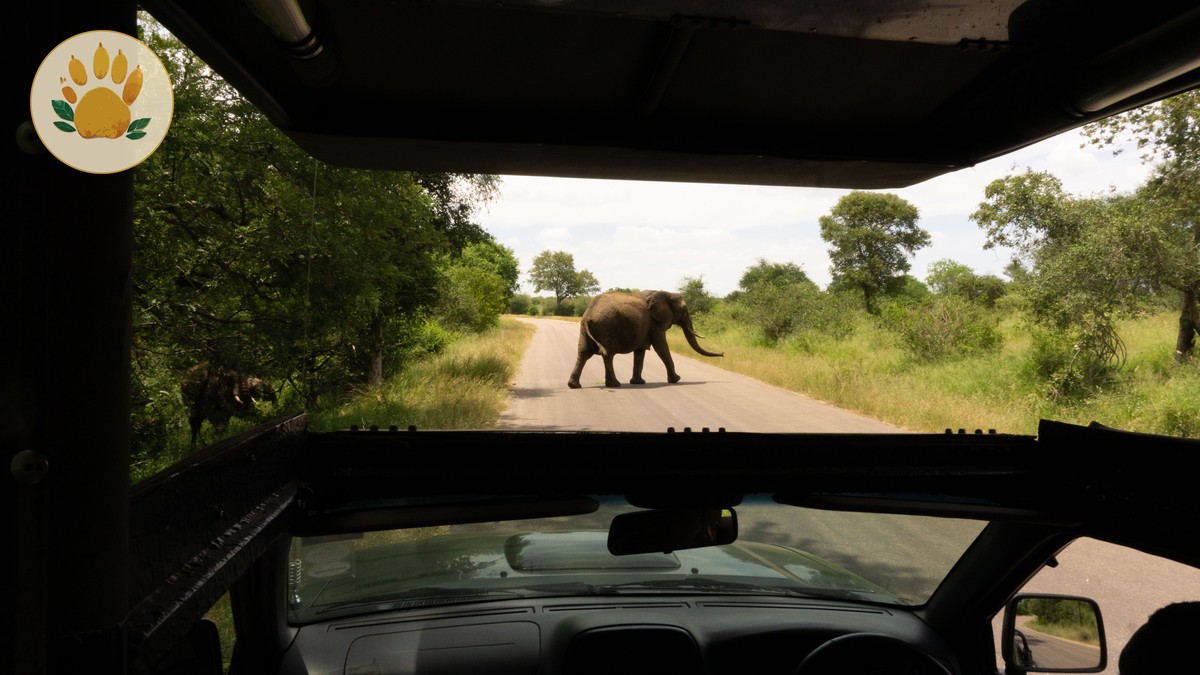
Keep voices low in the vehicle, and never stand while it is moving. When you see animals, stay inside the car unless your guide says it is safe to step out.
Tipping is customary. A common rate is USD 10 per day per guest for a driver-guide, and USD 5 per day per guest for the lodge staff tip box. Cash is easiest, and small USD notes work well.
Safety in Kenya is manageable. Nairobi has neighborhoods to avoid at night, so stay in hotels with secure parking and avoid walking alone after dark. The parks themselves are safe for visitors inside vehicles. Follow your guide’s advice on distances from wildlife. Crime concentrates in urban areas, not on safari.
What to Pack
Pack neutral colors: khaki, olive, tan. Avoid bright blue and black, which attract tsetse flies.
Bring long pants and long-sleeved shirts for evening, plus a light fleece and windbreaker for cold mornings. A wide-brimmed hat, sunglasses, and sunscreen are essential. Binoculars make a huge difference, and a camera with at least a 70-200mm lens helps, with 100-400mm preferred.
Also bring a headlamp for tented camps. Power outlets in Kenya use British-style three-prong plugs, so carry a travel adapter. The bush stays dry most of the year, but rain jackets help in green season.
The SafariPure Difference
SafariPure builds the itinerary around your time and comfort, not ours. We know the flight schedules from Lisbon and São Paulo, the current eTA forms for both passports, and the lodges where Portuguese-speaking guests feel at home. Our guides carry radio, water, and the patience for the light to change. We plan your days around what you want to see: a leopard in the Mara, elephants in Amboseli, or a full day without leaving camp.
We also give you honest answers. We share the real park fees and distances, and we do not hide the trade-offs between a guided safari and a self-drive. Over the years, we have hosted many families from Brazil and Portugal on their first African trip. The result is a safari that feels like time well spent, not a checklist.
For the clearest view of what you can expect, veja avaliações de outros viajantes de língua portuguesa on our site.
If finances are your main concern, confira nosso guia de custos de safari no Quênia for a deeper breakdown.
For a model of how we structure a full planning journey, veja como estruturamos o roteiro de planejamento.
Final Thoughts on the Kenya Safari Planning Guide Portuguese Speakers Need
Kenya rewards careful planning. The eTA, the vaccines, and the new park fees are all manageable if you start early. Use the November or June windows to balance cost and wildlife. Choose a conservancy for the Mara, and fly if your time is short.
When the dates align and the bags are packed, the wild does the rest. Plan slowly, ask the right questions, and show up ready.
Ready to start planning your Kenya safari?
Tell us how many days you have, which parks you want to see, and whether you are flying from Brazil or Portugal. We will design a route that fits your pace and your budget. Contact SafariPure to plan your trip today.
More safari planning resources
- Kenya wildlife tours from Trunktrails Safaris
- Kenya national parks map from Valley Safaris
- Kenya eTA and eVisa guide on Touring Insights
- Amboseli destination guide on FindMySafari
Related guides: Arabuko Sokoke Forest Birding Guide: Kenya’s Coast, Hot Air Balloon Safari Proposal: Planning Guide, Kenya Safari Planning Guide for French Speakers (2026).